Our Scans
·
Indigenous relations, stakeholder strategies, and transportation
·
Intelligence Briefing
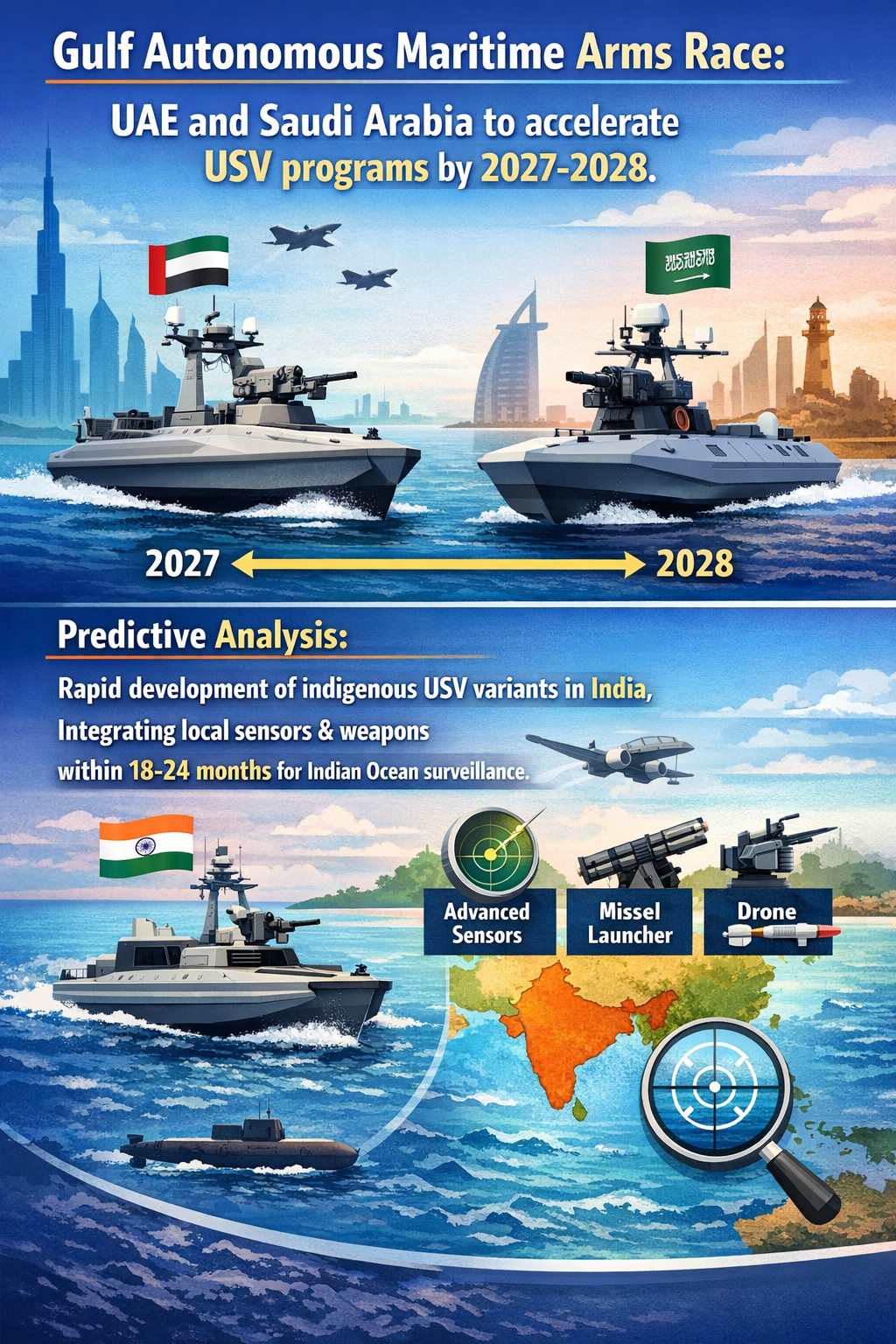
Intelligence Briefing about Indigenous relations, stakeholder strategies, and transportation
Critical Trends
- Indigenous-led autonomous vehicle development is emerging but remains in early, predominantly logistical phases.
- Maritime activities and territorial considerations, especially in contested regions like the South China Sea, influence transport sector strategic planning.
- Stakeholder engagement around indigenous transportation initiatives is increasingly essential for inclusive innovation and sovereignty recognition.
Key Challenges, Opportunities, and Risks
- Challenges: Managing nascent indigenous technology projects with limited operational impact while balancing regional security concerns.
- Opportunities: Supporting indigenous autonomy through transportation innovation may enhance community resilience and foster collaborative stakeholder relations.
- Risks: Underestimating indigenous technological developments could result in missed opportunities or misalignment in regional transport strategies; geopolitical tensions may escalate if transportation initiatives are perceived as strategic threats.
Scenario Development
- Best-Case: Indigenous autonomous vehicle projects mature rapidly, leading to effective partnerships between Transport Canada and indigenous communities, strengthening sovereignty and transport innovation without provoking regional tensions.
- Moderate Growth: Indigenous transportation initiatives progress steadily but remain logistically focused, creating niche service improvements without significantly influencing broader maritime security dynamics.
- Geopolitical Escalation: Regional actors interpret indigenous transport advancements as strategic threats, heightening maritime tensions and complicating Transport Canada's operational environment.
- Stagnation and Fragmentation: Indigenous transportation development stalls due to funding and infrastructure gaps, resulting in lost collaboration opportunities and widening divides between stakeholders.
Strategic Questions
- How can Transport Canada effectively integrate indigenous autonomous vehicle development into national and regional transportation strategies?
- What measures could mitigate geopolitical risks linked to indigenous transportation advancements in sensitive maritime zones?
- In what ways might stakeholder engagement frameworks evolve to better support indigenous-led transport innovation?
- How can Transport Canada balance investment priorities between emerging indigenous projects and existing infrastructure demands?
Actionable Insights and Considerations
- Transport Canada could explore targeted pilot programs with indigenous communities to accelerate autonomous vehicle maturation while monitoring geopolitical implications.
- Developing communication channels with regional partners might reduce misperceptions associated with indigenous transportation activities.
- Embedding flexible funding mechanisms could facilitate adaptive responses to technological and stakeholder engagement changes.
- Transport Canada could leverage data analytics to assess the operational impacts and strategic value of indigenous transportation initiatives over time.
Source: Red Team Assessment: From Beijing's perspective, Philippine indigenous autonomous vehicle development remains nascent and logistically oriented
Briefing Created: 15/05/2026