Our Scans
·
risk management & planning for disruptions in transportation
·
Intelligence Briefing
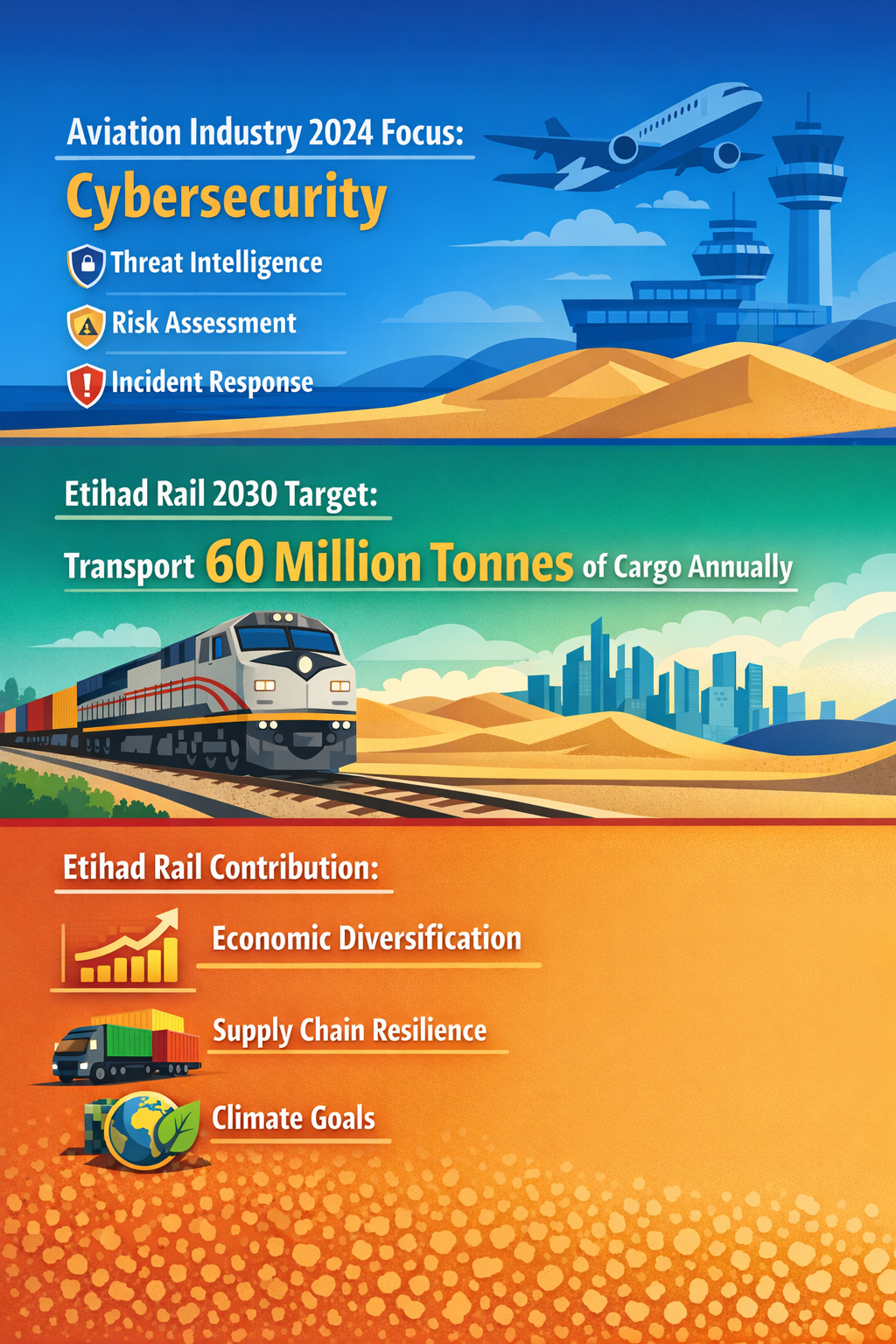
Intelligence Briefing about risk management & planning for disruptions in transportation
Critical Emerging Trends
- Increasing frequency and severity of climate-related events impacting infrastructure resilience.
- Advancement and integration of digital technologies, including AI and IoT, in transportation systems.
- Growing complexity in global supply chains, resulting in heightened vulnerability to multi-modal disruptions.
- Shifting regulatory environments emphasizing sustainability and security compliance.
Key Challenges, Opportunities, and Risks
- Challenges: Managing unpredictable weather impacts, cybersecurity threats, and regulatory compliance pressures.
- Opportunities: Leveraging data analytics and predictive modeling to enhance risk management and operational agility.
- Risks: Potential for systemic failure due to interconnected dependencies and inadequate preparedness for compound disruptions.
Plausible Future Scenarios
- Best-case: Robust infrastructure investments and digital integration enable rapid recovery from disruptions, with climate adaptation embedded into planning.
- Optimistic: Moderate technological adoption improves situational awareness; however, some regulatory delays hamper full implementation of risk mitigation strategies.
- Challenging: Increased disruption frequency strains resources; fragmented coordination and cybersecurity incidents slow response and recovery.
- Worst-case: Severe climate events combined with cyberattacks cause widespread transport paralysis; regulatory gaps and lack of contingency planning exacerbate impacts.
Strategic Questions for Senior Advisors
- How could Transport Canada prioritize investments to enhance resilience against multi-faceted transportation disruptions?
- In what ways could emerging digital technologies be integrated to improve real-time risk management and situational awareness?
- What governance structures could be shaped to foster stronger inter-agency and cross-sector collaboration for disruption response?
- How might evolving sustainability regulations influence long-term transportation planning and infrastructure development?
- What contingency frameworks could be developed to prepare for simultaneous or cascading transport system failures?
Potential Actionable Insights
- Transport Canada could invest in advanced predictive analytics capabilities to anticipate and mitigate disruptions more effectively.
- Developing multi-stakeholder collaboration platforms could enhance coordinated response efforts across jurisdictions and sectors.
- Embedding climate adaptation criteria into infrastructure planning could reduce vulnerability to extreme weather events.
- Strengthening cybersecurity protocols in transportation networks could safeguard critical operations against emerging threats.
- Scenario-based contingency exercises could improve organizational readiness and flexibility under diverse disruption conditions.
Briefing Created: 22/05/2026