Our Scans
·
Transportation governance
·
Intelligence Briefing
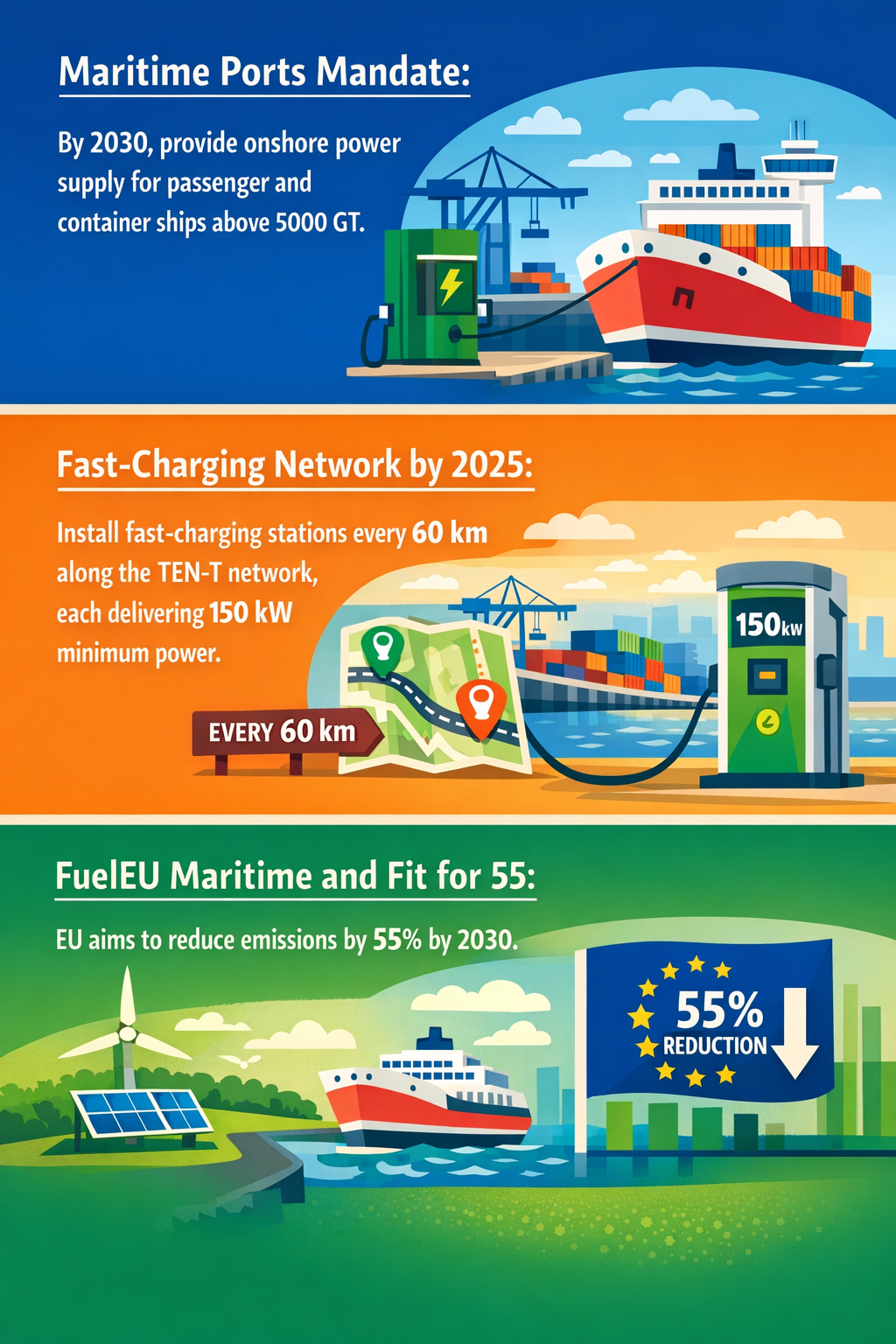
Intelligence Briefing about Transportation Governance
Critical Trends Impacting Transport Canada
- Growing emphasis on sustainable fuels in aviation and maritime sectors, exemplified by EU's ReFuelEU Aviation and FuelEU Maritime regulations targeting gradual increases in sustainable aviation fuel (SAF) and reduction of greenhouse gas intensity (Yahoo Finance, ShipFinex).
- Significant government investments in rail infrastructure, such as Australia's AUD 1.8 billion allocation over six years for interstate rail network development (Westpac IQ).
- Heightened geopolitical risks affecting supply chains and regulatory environments, particularly in aviation and defense sectors, with tensions in regions like the Middle East and complexities in export controls (StockTitan).
- Increasing regulatory pressures aligned with climate targets (e.g., EU Fit for 55 Package mandating ≥55% emissions reduction by 2030), influencing transportation fuel standards and emissions policies (Swedish Club).
Key Challenges, Opportunities, and Risks
- Challenges: Aligning national transportation policy with evolving international sustainability regulations; managing supply-chain vulnerabilities; balancing investments amid budgetary constraints.
- Opportunities: Leveraging government funding models to modernize infrastructure; positioning Canada as leader in low-emission transport fuels; fostering innovation in sustainable technologies.
- Risks: Exposure to geopolitical instability impacting critical supply chains; potential delays in regulatory compliance impacting trade and aviation industries; competition from agile global actors in transport innovation.
Scenario Development
- Best-case: Canada secures increased federal funding to upgrade national rail and transport infrastructure, seamlessly adapts to international sustainable fuel mandates, and strengthens supply-chain resilience through diversified partnerships.
- Moderate-progress: Transport Canada achieves partial alignment with international climate regulations, incremental infrastructure improvements occur amid moderate budget increases, but geopolitical tensions create intermittent supply disruptions.
- Challenged-adaptation: Delays in sustainable fuel adoption and infrastructure upgrades due to regulatory uncertainties and budget constraints, combined with heightened geopolitical conflicts causing significant supply-chain fragility.
- Worst-case: Failure to comply with international emissions regulations triggers trade penalties, critical infrastructure remains underfunded, and severe geopolitical tensions cause prolonged supply-chain breakdowns severely impacting transport operations.
Strategic Questions for Senior Policy Advisors
- How can Transport Canada proactively align domestic policies with evolving international sustainability regulations while minimizing economic disruption?
- What strategies could enhance the resilience of transportation supply chains against geopolitical and global market risks?
- In what ways could government investments be optimized to accelerate infrastructure modernization and low-carbon fuel adoption?
- How might Transport Canada effectively balance the competing demands of innovation, regulation, and budgetary limitations?
- What role could public-private partnerships play in addressing emerging transportation governance challenges?
Actionable Insights and Considerations
- Transport Canada could explore targeted funding mechanisms modeled on international precedents to support large-scale infrastructure upgrades.
- Developing a phased roadmap for sustainable fuel integration aligned with global timelines could mitigate regulatory compliance risks.
- Enhancing situational awareness of geopolitical developments may help foresee supply-chain disruptions and enable preemptive risk management.
- Fostering collaboration with industry stakeholders and startups could accelerate innovation and position Canada as a leader in sustainable transport technology.
- Adopting adaptable policy frameworks could allow flexible responses to changing domestic and international conditions, supporting long-term strategic goals.
Briefing Created: 11/06/2026