Our Scans
·
Rural and remote mobility
·
Intelligence Briefing
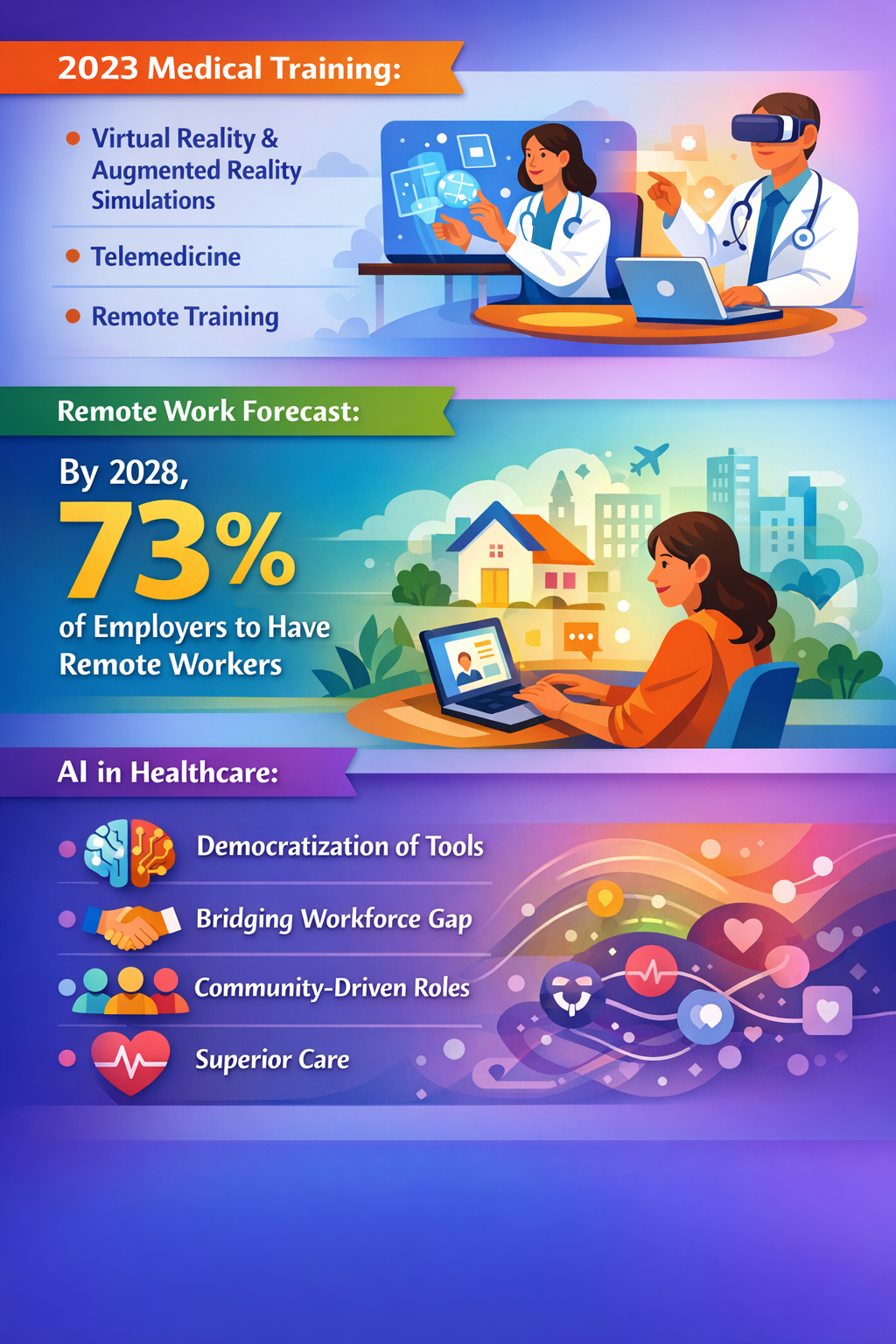
Intelligence Briefing about Rural and Remote Mobility
Critical Trends Impacting Transport Canada
- Technological Integration in Healthcare Delivery: AI, virtual reality (VR), augmented reality (AR), and telemedicine are revolutionizing healthcare access in rural and remote areas, enhancing service reach and workforce efficiency (Healthcare IT Today, Docthub Blog).
- Focus on Arctic and Remote Infrastructure Development: The $1 billion Arctic Infrastructure Fund aims to expand dual-use transportation infrastructure, driving connectivity and community resilience in northern regions (Transport Canada).
- Addressing Healthcare Workforce Gaps: AI and remote medical technologies are reshaping rural healthcare workforces by democratizing access to specialists and improving care quality (Emerging Business Insights).
Key Challenges, Opportunities, and Risks
- Challenges: Ensuring reliable and secure digital infrastructure in remote communities; managing costs of advanced technology deployment; addressing training needs for new healthcare and transport systems.
- Opportunities: Leveraging technology to reduce geographic healthcare disparities; enhancing transport links to support emergency and routine medical services; strengthening community engagement through dual-use infrastructure projects.
- Risks: Potential digital divide exacerbating inequities; technological dependence leading to vulnerabilities; budget and timeline risks associated with large infrastructure investments in harsh environments.
Scenario Development
- Best-Case Scenario: Seamless integration of AI, VR/AR, and telemedicine with expanded Arctic infrastructure results in equitable, efficient rural healthcare and mobility, significantly improving quality of life and community sustainability.
- Moderate Growth Scenario: Incremental tech adoption and infrastructure expansion improve services but are hampered by sporadic funding and digital access issues, maintaining some service gaps in remote areas.
- Stagnation Scenario: Delays in infrastructure projects combined with underinvestment in digital capabilities lead to persistent workforce shortages and limited healthcare mobility improvements.
- Worst-Case Scenario: Infrastructure failures and digital inequalities deepen rural isolation; technology deployment outpaces community capacity, resulting in inefficient service delivery and increased risks to health and safety.
Strategic Questions for Senior Policy Advisors
- How can Transport Canada foster resilient digital and physical infrastructure that supports integrated healthcare and mobility services in rural and Arctic communities?
- What mechanisms could be implemented to ensure equitable access to emerging technologies and transportation networks in remote regions?
- How might Transport Canada balance rapid technological adoption with community capacity-building to avoid service disruptions or inequalities?
- In what ways can partnerships with healthcare, Indigenous communities, and defence sectors optimize dual-use infrastructure investments?
- What risk mitigation strategies could be prioritized to safeguard infrastructure projects against environmental and operational uncertainties?
Actionable Insights for Strategic Decision-Making
- Transport Canada could consider pilot programs that pair AR/VR training and telemedicine initiatives with transportation service improvements to validate integrated approaches.
- Investment strategies could focus on enhancing broadband and communication infrastructures as foundational enablers for advanced healthcare mobility solutions.
- Collaborations with Indigenous and local stakeholders could be leveraged to tailor infrastructure projects to community needs, enhancing adoption and sustainability.
- Risk assessment frameworks could be developed to anticipate and manage environmental challenges unique to Arctic and remote environments.
- Continuous monitoring of technology trends and healthcare workforce dynamics could allow adaptive policy responses that align transport infrastructure with evolving service models.
Briefing Created: 02/06/2026