Our Scans
·
Infrastructure
·
Intelligence Briefing
Intelligence Briefing about Infrastructure
Critical Trends Impacting Transport Canada
- Transportation Electrification Acceleration: Regulatory bodies are driving investments to speed up widespread electrification of transportation, including infrastructure for electric vehicles and alternative fuels (Energy California).
- Rapid Expansion of IoT and Autonomous Systems: The number of connected devices, including autonomous vehicles, is projected to exceed one billion by 2033, enabling smarter infrastructure and asset monitoring (Statista).
- Investment Opportunities in Smart Port Infrastructure: Emerging markets in Southeast Asia, Middle East, and East Africa show strong potential for technology-driven upgrades to autonomous and smart port operations (Fairfield Market Research).
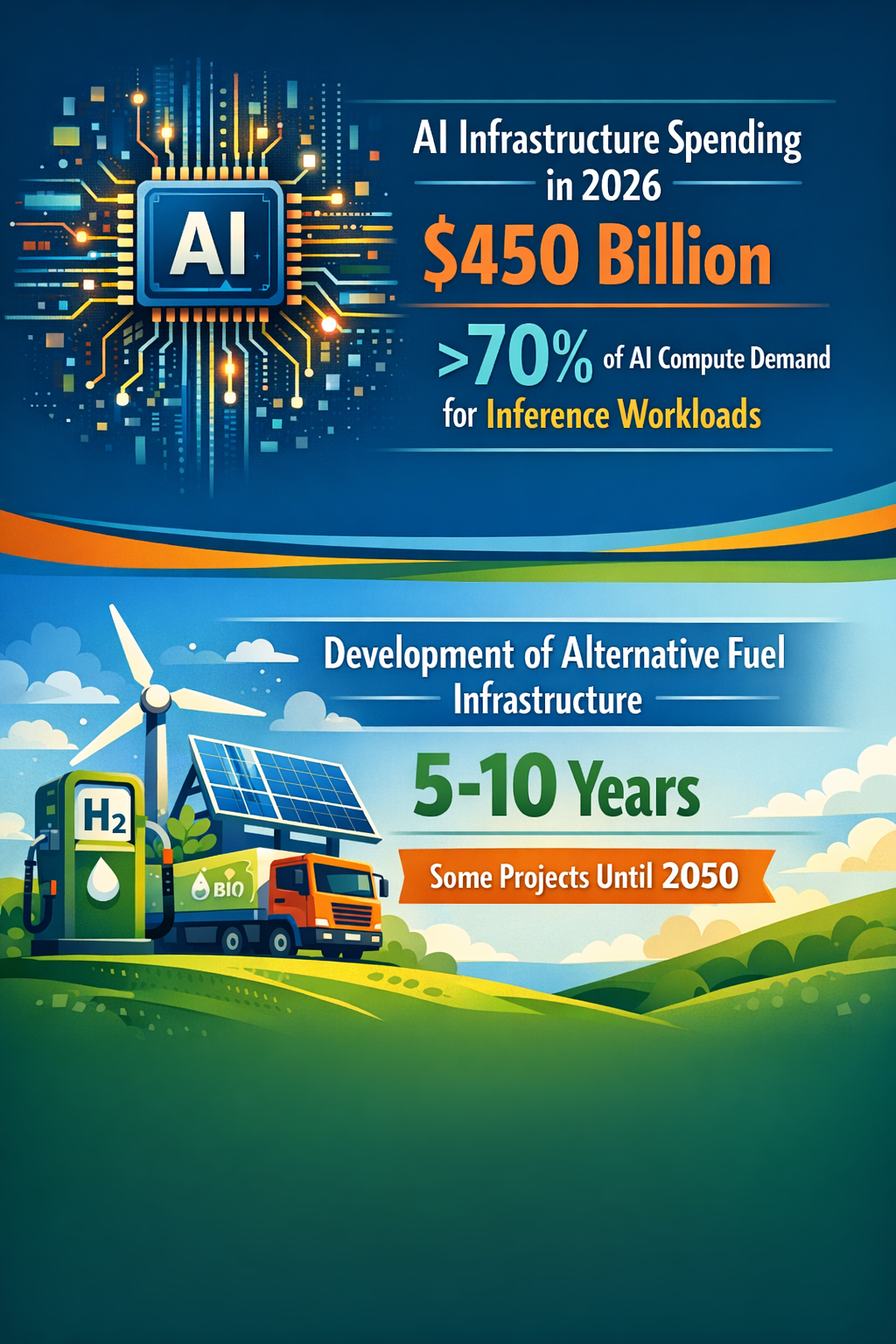
- Long-Term Energy Transition Challenges: Full build-out of alternative fuel bunkering and charging infrastructure may take 5–10 years, with some projects extending to 2050, indicating prolonged transition risks (gCaptain).
- Strategic Energy Diversification: Global efforts to reduce vulnerability in critical supply routes open opportunities for Canada to expand export capacity through new pipeline infrastructure (Energy Now).
- Surge in AI Infrastructure Investment: AI compute demand is booming with projected spending of $450 billion by 2026, with heavy emphasis on inference workloads impacting infrastructure needs (Origin IC).
- Sustainability and Smart Nation Initiatives: Emerging models like Singapore’s use of IoT to drive sustainable smart farming, transportation, and households present transformative infrastructure paradigms (SP Tel).
Key Challenges, Opportunities, and Potential Risks
- Challenges: Prolonged timelines for fuel infrastructure development risk lagging behind decarbonization goals; managing grid capacity and energy costs could hamper infrastructure upgrades.
- Opportunities: Leveraging AI and IoT to modernize transportation networks; expanding Canada’s role in global energy supply diversification; targeting smart port and autonomous operation investments domestically and internationally.
- Risks: Dependence on external supply routes remains a strategic vulnerability; technology adoption pace may outstrip regulatory or infrastructure readiness; cybersecurity and data privacy concerns increase with IoT proliferation.
Scenario Development
- Best-Case: Rapid deployment of electrification and alternative fuel infrastructure aligned with AI and IoT integration leads to a resilient, sustainable, and smart transport network supporting economic growth.
- Moderate Progress: Steady but uneven infrastructure upgrades achieve partial electrification and smart technology adoption; some regions lag due to funding or technical challenges, extending transition timelines.
- Delayed Transition: Grid limitations, funding shortfalls, and regulatory delays stall infrastructure projects; reliance on fossil fuel routes persists, increasing environmental and geopolitical risks.
- Worst-Case: Infrastructure failures combined with cyber vulnerabilities, cost overruns, and geopolitical disruptions compromise Canada’s transport system resilience and energy security.
Strategic Questions for Senior Policy Advisors
- How can Transport Canada facilitate accelerated deployment of electrification and alternative fuel infrastructure while balancing cost and regulatory constraints?
- What measures are necessary to integrate AI and IoT technologies securely and effectively into national transportation infrastructure?
- How can Canada leverage emerging global port modernization trends to boost domestic infrastructure and export opportunities?
- What strategies can mitigate risks associated with long timelines for infrastructure development amid rapidly evolving technology landscapes?
- How can Transport Canada proactively address potential cybersecurity, privacy, and resilience vulnerabilities stemming from increased connectivity?
Potential Actionable Insights
- Transport Canada could explore partnerships with technology vendors to pilot turnkey smart infrastructure deployments, particularly in ports and autonomous systems.
- Investing in grid modernization and alternative fuel supply chains could reduce bottlenecks delaying decarbonization efforts.
- Building flexible regulatory frameworks may better accommodate rapid AI and IoT adoption while managing security and privacy risks.
- Proactive scenario planning could help anticipate impacts of geopolitical shifts on energy supply routes and infrastructure resilience.
Briefing Created: 14/09/2026