Our Scans
·
Disruptive transportation technologies
·
Intelligence Briefing
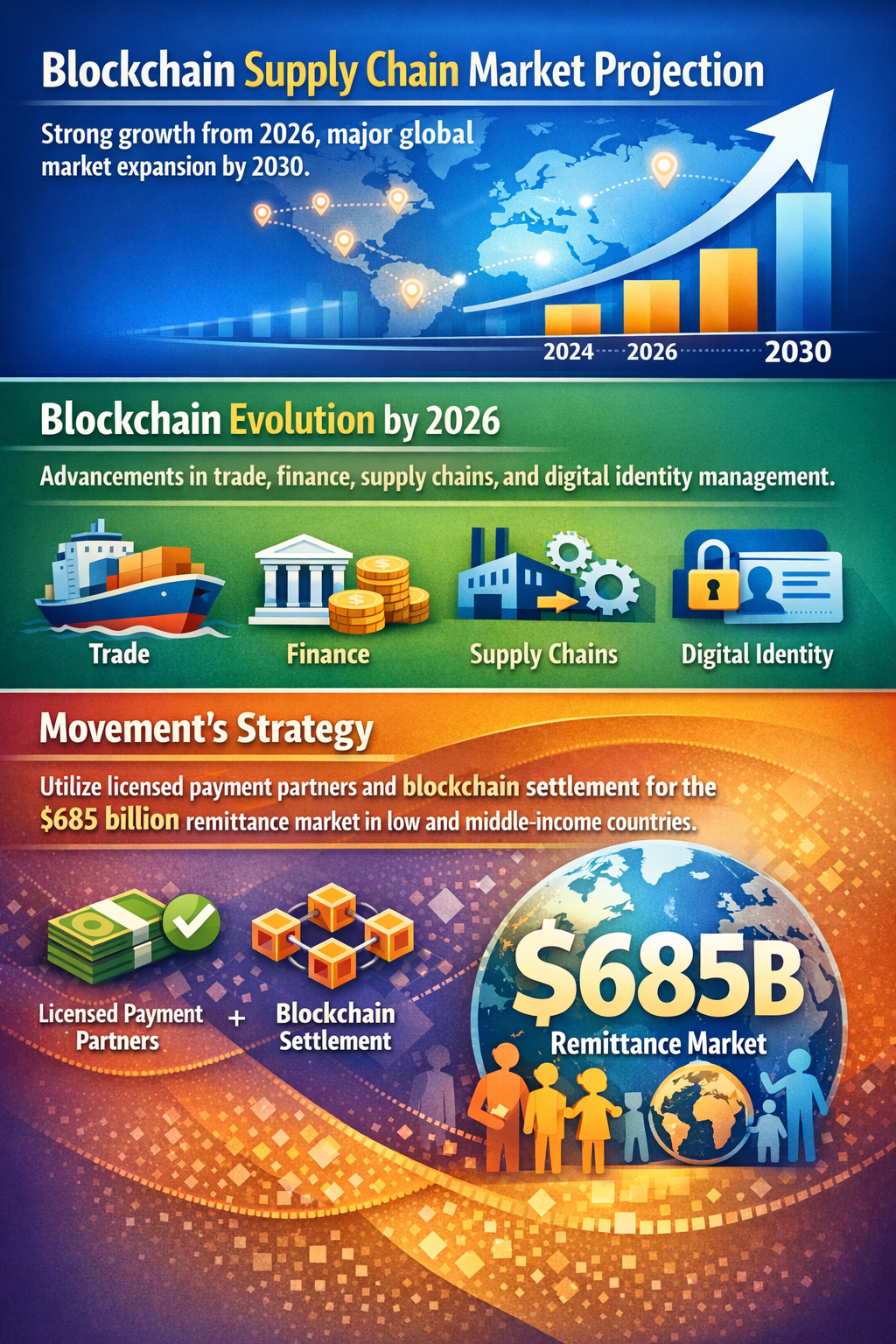
Intelligence Briefing about Disruptive Transportation Technologies
Critical Trends Impacting Transport Canada
- By 2035, Level 4 and Level 5 autonomous vehicles powered by advanced AI, sensors, and connected infrastructure are expected to revolutionize mobility patterns and transportation services (Data Intelligence).
- The integration of artificial intelligence and blockchain technologies is accelerating digital transformation across sectors including payments, trade, and supply chain management (JPMorgan Payments Outlook).
- Blockchain-cloud integration is projected to grow significantly by 2026, presenting opportunities for enhanced data security, transparency, and operational efficiencies (Cloud Data Insights).
- Innovations like tokenized asset settlements leveraging existing financial messaging infrastructure could transform transaction settlement processes but may also introduce regulatory and compliance complexity (Yellow Research).
Key Challenges, Opportunities, and Risks
- Challenges: Managing regulatory frameworks for autonomous vehicles and AI; ensuring cybersecurity amid blockchain-cloud integrations; addressing compliance risks related to blockchain-enabled financial messaging.
- Opportunities: Enhancing transportation efficiency and safety through autonomous systems; leveraging blockchain for supply chain transparency and digital identity; adopting AI-driven analytics to optimize traffic management.
- Risks: Potential misuse of blockchain platforms for sanctions evasion and illicit activities could lead to increased compliance burdens (Yellow Research); technological disruptions outpacing policy adaptation; privacy and data protection concerns.
Scenario Development: Four Plausible Futures
- Best Case: Seamless integration of autonomous vehicles with AI and connected infrastructure boosts safety and efficiency; blockchain-based systems enhance supply chain transparency and security; robust regulatory frameworks foster innovation and mitigate risks.
- Moderate Progress: Autonomous vehicles gain partial deployment with mixed regulatory acceptance; blockchain technologies advance but face fragmented adoption; compliance and security challenges slow digital transformation.
- Disruptive Challenges: Rapid technology adoption outpaces regulatory capacity; blockchain misuse for sanctions evasion escalates; cybersecurity incidents undermine public trust; transportation disruptions increase.
- Worst Case: Regulatory failures and security breaches cause widespread distrust in autonomous and blockchain systems; technology fragmentation results in inefficiencies; Transportation Canada struggles with increased operational risks and compliance costs.
Strategic Questions for Senior Advisors
- How can Transport Canada proactively adapt regulatory frameworks to manage the safe deployment of Level 4 and Level 5 autonomous vehicles?
- What mechanisms could be developed to mitigate compliance and security risks arising from blockchain integration in financial and supply chain systems?
- In what ways might AI and blockchain convergence reshape transportation infrastructure needs and data governance policies?
- How can Transport Canada balance fostering innovation with safeguarding against technology misuse and privacy violations?
Potential Actionable Insights
- Transport Canada could prioritize pilot programs and partnerships to test autonomous vehicle technologies within controlled environments, enabling data-driven policy development.
- Establishing collaborative frameworks with financial regulators and cybersecurity agencies could help preemptively address blockchain-enabled risks and sanctions evasion.
- Investing in AI-driven predictive analytics might help optimize infrastructure planning and real-time traffic management as autonomous mobility scales.
- Developing adaptive regulatory models that evolve with technological progress could reduce friction and enable timely responses to emerging challenges.
Briefing Created: 12/06/2026