Our Scans
·
Economic growth and Competition
·
Intelligence Briefing
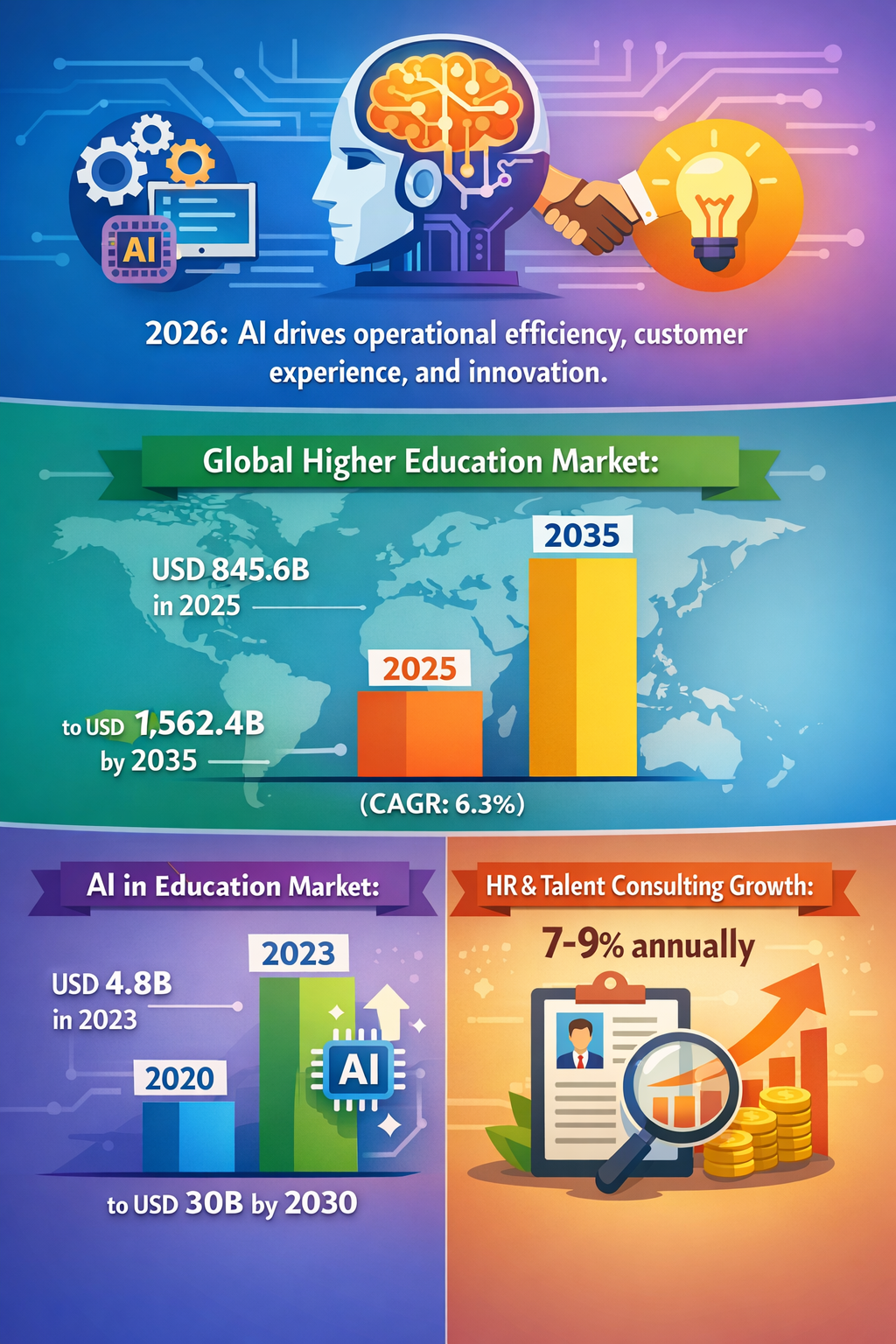
Intelligence Briefing about Economic Growth and Competition
Critical Trends Impacting Transport Canada
- Technological Innovation and AI Adoption: North America is poised for strong growth driven by rapid AI hardware innovation, offering opportunities to enhance operational efficiency and service delivery (NatLawReview, OTG Lab).
- Geopolitical and Cybersecurity Risks: Regional sensitivities to geopolitical tensions and cybersecurity threats, especially in South and Southeast Asia, highlight vulnerabilities in business resilience and infrastructure security (FinTechNews.sg).
- Subdued Business Investment: A decline in SME business investment is forecasted, posing challenges to capital availability for innovation and infrastructure projects (BritishChambers.org.uk).
- Rising Global Competition: China’s advancements in space technology signal intensifying competition in high-tech sectors, underscoring urgency for decisive strategic action (ThinkChina.sg).
- Innovation and Institutional Strength: Long-term sustainable growth will depend on combining innovation with strong institutional frameworks, as fragile productivity gains and economic uncertainties persist (AMOVA-AM).
Key Challenges, Opportunities, and Risks
- Challenges: Geopolitical uncertainty and cybersecurity threats could disrupt transport infrastructure and supply chains.
- Opportunities: Leveraging AI and advanced technologies could improve operational efficiencies, safety, and customer experiences across transport sectors.
- Risks: Reduced SME investment could hinder innovation and infrastructure upgrades; failure to respond rapidly to global competition may result in loss of strategic advantage.
Scenario Development
- Best-Case: Strong AI adoption and innovation combined with robust institutional support lead to increased efficiency, enhanced cybersecurity, and infrastructure modernization.
- Moderate Growth: Moderate technological progress occurs, but subdued investment and geopolitical tensions limit the pace of infrastructure upgrades and sector innovation.
- Stagnation: Cybersecurity incidents and geopolitical instability disrupt transport networks; slowed business investment contributes to infrastructure deterioration and reduced competitiveness.
- Worst-Case: Escalating geopolitical conflicts and rapid technological competition from global rivals overwhelm existing capacities, causing major disruptions and loss of market position.
Strategic Questions
- How can Transport Canada accelerate AI and technology adoption to improve operational resilience and service quality?
- What strategies could mitigate cybersecurity and geopolitical risks that threaten transport infrastructure and supply chains?
- In what ways could diminishing SME investment impact the transport sector, and how might this be addressed?
- How should Transport Canada position itself to respond effectively to intensifying global competition in technology-driven transport domains?
- What institutional frameworks and partnerships could strengthen long-term sustainable growth amid economic uncertainties?
Actionable Insights for Strategic Decision-Making
- Investing in AI-driven technologies could enhance operational efficiencies and safety in transport systems.
- Developing comprehensive cybersecurity protocols could reduce vulnerability to emerging digital threats.
- Engaging with SMEs and fostering innovation ecosystems could counteract potential investment declines.
- Strengthening international collaborations may help address competitive pressures and share best practices.
- Enhancing institutional capacity could support agility in policy responses and infrastructure development under shifting economic conditions.
Briefing Created: 25/06/2026