Our Scans
·
Innovation and Sustainability
·
Intelligence Briefing
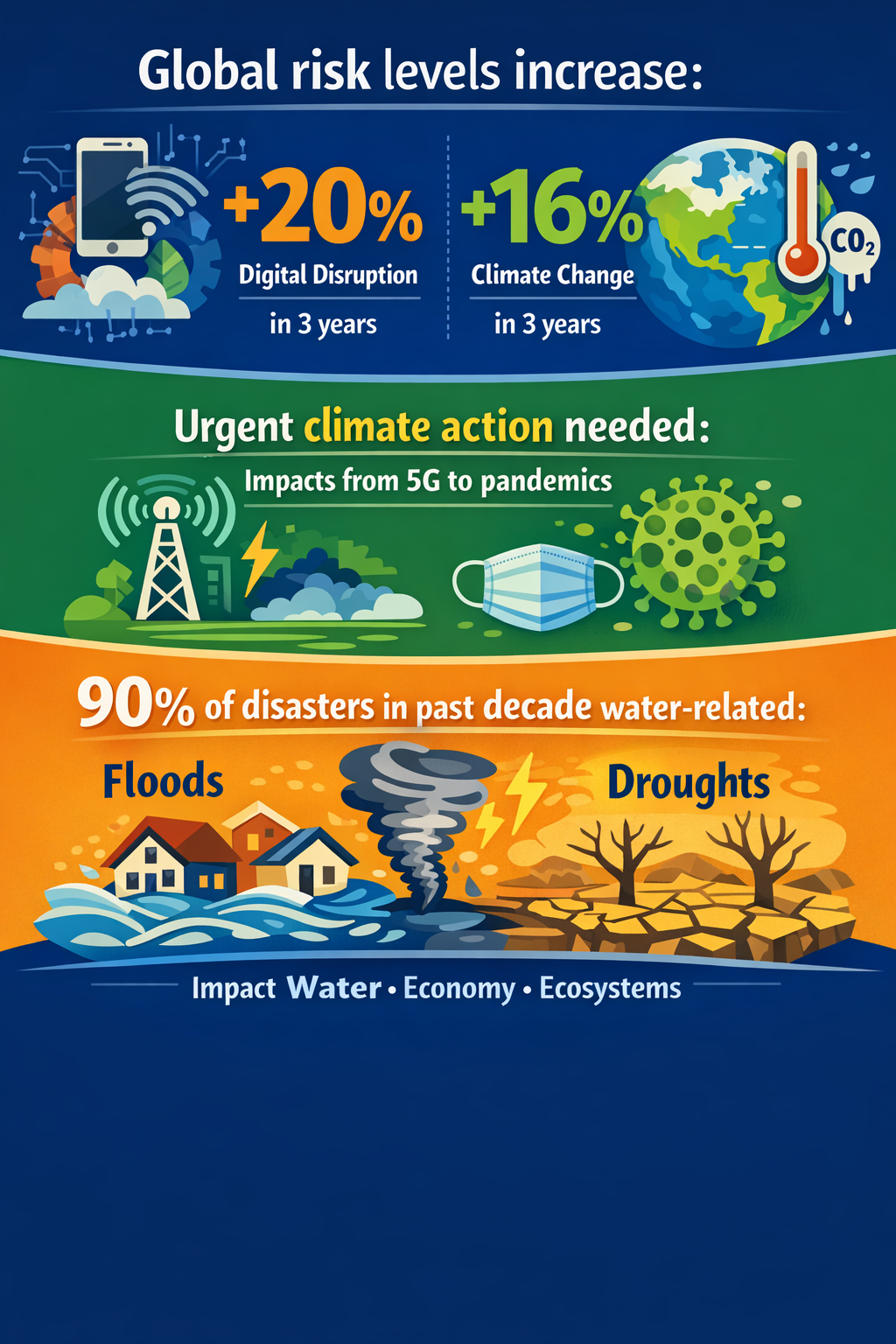
Intelligence Briefing about Innovation and Sustainability
Critical Trends Impacting Transport Canada
- Growth in renewable energy adoption aimed at decarbonizing transportation infrastructure and operations.
- Increasing public and stakeholder expectations for equitable and inclusive sustainability initiatives.
- Heightened scrutiny on the socio-economic impacts of large-scale infrastructure projects, including community engagement and compensation.
Key Challenges, Opportunities & Risks
- Challenges: Avoiding negative social impacts and ensuring meaningful stakeholder engagement in sustainability projects.
- Opportunities: Leading the transition to clean transportation by integrating renewable energy while promoting inclusive growth.
- Risks: Potential for local resistance or reputational damage if projects disrupt communities without adequate compensation or consultation (SCIRP Journal).
Scenario Development
- Best-Case: Seamless adoption of innovative renewable technologies paired with robust community engagement frameworks, resulting in sustainable, equitable transport solutions.
- Moderate Success: Progressive integration of green technologies with periodic community pushback mitigated through adaptive consultation and compensation policies.
- Challenging Outcome: Technical innovation outpaces social acceptance, leading to project delays and fragmented stakeholder relations.
- Worst-Case: Widespread disruption of local communities without adequate mitigation, causing reputational damage, legal challenges, and stalled sustainability initiatives.
Strategic Questions
- How can Transport Canada balance rapid innovation with inclusive, transparent community engagement to minimize social disruption?
- What mechanisms could be developed to ensure fair compensation and meaningful consultation with affected populations during infrastructure projects?
- In what ways could Transport Canada proactively manage reputational risks linked to large-scale sustainability initiatives?
- How might evolving public expectations shape Transport Canada's approach to sustainability over the next decade?
Potential Actionable Insights
- Transport Canada could implement standardized community engagement protocols early in project planning to mitigate social risks.
- Developing partnerships with local stakeholders and indigenous groups could enhance legitimacy and support for innovation projects.
- Establishing monitoring frameworks to assess socio-economic impacts could inform adaptive management strategies.
- Investing in transparent communication campaigns could help build public trust and facilitate smoother project rollouts.
Briefing Created: 24/06/2026