Our Scans
·
Arctic and Northern transportation
·
Intelligence Briefing
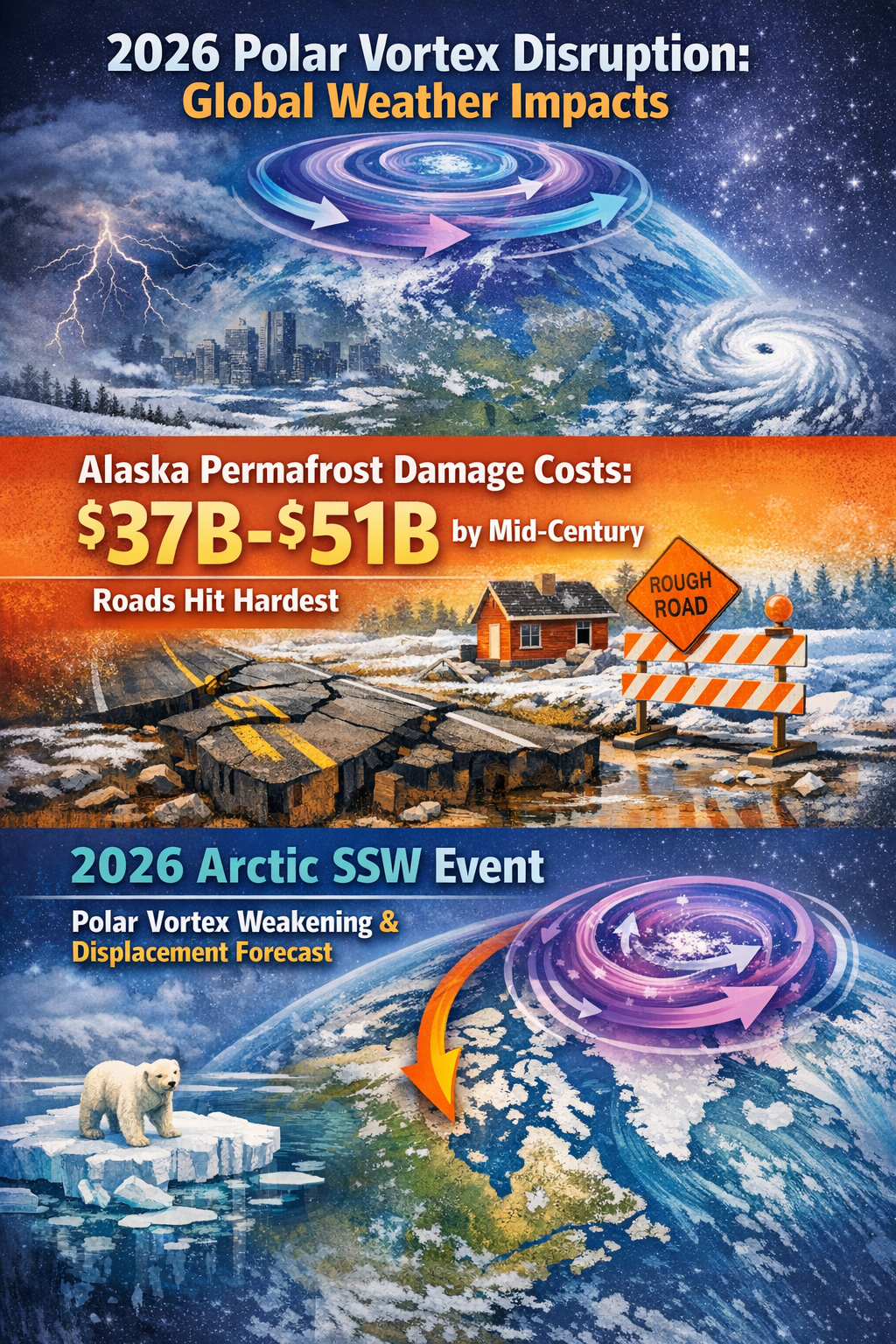
Intelligence Briefing about Arctic and Northern Transportation
Critical Trends Impacting Transport Canada
- Climate Change and Permafrost Degradation: Accelerating permafrost thaw is causing significant damage to northern infrastructure, especially roads, with projected costs in Alaska alone reaching up to US$51 billion by mid-century under medium-high emissions scenarios (The Arctic This Week).
- Polar Vortex Disruptions: Increasing instability of the polar vortex could trigger extreme and unpredictable weather patterns globally, potentially affecting northern transportation reliability and safety (CA Services).
- Geopolitical Dynamics and Arctic Shipping Interest: Ongoing conflicts, such as the war in Ukraine, are reducing commercial interest from key players like Korean companies (outside of shipbuilding) in Arctic shipping lanes, which may influence future economic opportunities and strategic partnerships in the region (Cello Square).
Key Challenges, Opportunities, and Risks
- Challenges: Infrastructure vulnerability due to thawing permafrost, increased operational risks from extreme weather variability, and uncertain international engagement in Arctic transport initiatives.
- Opportunities: Leading innovation in resilient infrastructure design, developing adaptive transportation systems, and positioning Canada as a strategic hub in emergent Arctic supply chains.
- Risks: High economic costs from infrastructure failures, disruption of supply chains, geopolitical tensions limiting corridor access, and environmental hazards impacting safe transport operations.
Scenario Development
- Best-Case: Global emissions stabilize leading to moderate permafrost impact; international cooperation strengthens Arctic shipping governance; resilient infrastructure investments reduce disruptions; weather extremes are predictable.
- Moderate: Emissions rise moderately causing increased infrastructure degradation; geopolitical tensions persist but commerce continues cautiously; weather variability challenges but manageable with advanced forecasting technologies.
- Challenging: High emissions accelerate permafrost loss causing frequent infrastructure failures; polar vortex disruptions produce extreme weather events; major actors retreat from Arctic shipping lanes; transport reliability declines.
- Worst-Case: Severe climate impacts cause catastrophic infrastructure collapse; geopolitical conflicts block access to Arctic routes; unpredictable weather leads to unsafe transport conditions; economic opportunities in the North drastically contract.
Strategic Questions
- How could Transport Canada integrate climate resilience into northern infrastructure planning and investment to mitigate permafrost-related risks?
- What measures could be taken to anticipate and manage operational disruptions caused by polar vortex-induced weather extremes?
- In what ways could Transport Canada engage with international partners to maintain strategic presence and influence in Arctic shipping corridors amid geopolitical uncertainty?
- How could emerging technological innovations be leveraged to ensure safe and sustainable northern transport under evolving environmental conditions?
Potential Actionable Insights
- Transport Canada could prioritize investment in adaptive and resilient infrastructure technologies designed specifically for permafrost environments.
- Scenario-based planning incorporating climate models and geopolitical analyses could improve preparedness for variable and extreme operational conditions.
- Collaborative frameworks with allied nations and indigenous communities could enhance the security and sustainability of Arctic transportation networks.
- Continuous monitoring of emerging Arctic shipping market trends may uncover new opportunities or warn of shifting strategic risks.
Briefing Created: 16/06/2026