Our Scans
·
Mobility aids and air travel
·
Intelligence Briefing
Intelligence Briefing about Mobility Aids and Air Travel
Summary of Critical Trends
- Increasing safety regulations for transporting mobility aids, particularly concerning removable lithium batteries (Devdiscourse).
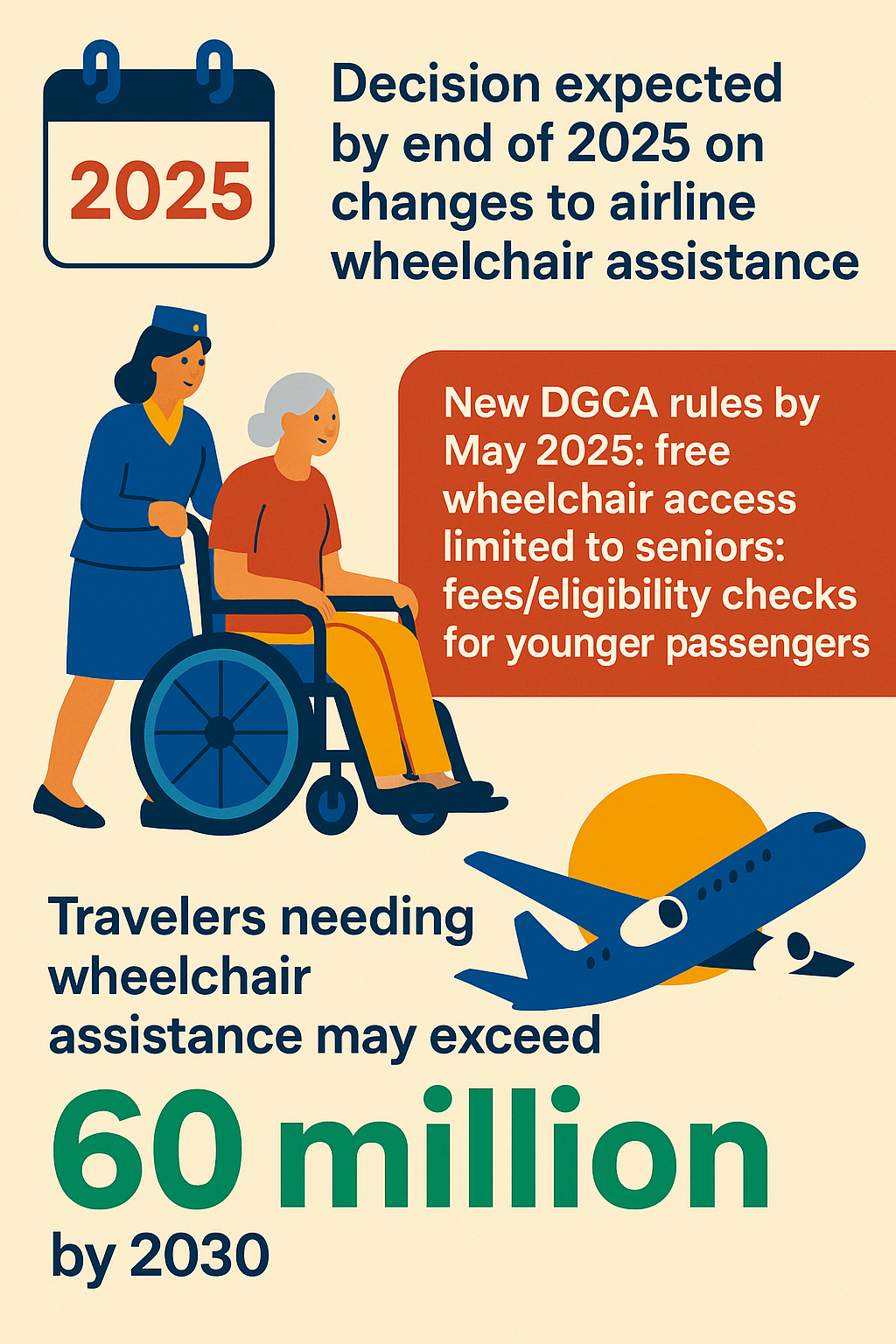
- Potential reforms in wheelchair assistance by airlines expected by 2025, possibly leading to significant procedural and operational changes (Visa Verge).
- Growing scrutiny over the handling of mobility aids during air travel.
Key Challenges, Opportunities, and Risks
- Challenges: Compliance with heightened safety regulations can strain airline operations and customer service.
- Opportunities: Airlines could position themselves as leaders by proactively enhancing infrastructure and training for mobility aid handling.
- Risks: Potential litigation or reputational damage from mishandling incidents of mobility aids.
Scenario Development
- Best-case scenario: Proactive adoption of new technologies improves safety and comfort for passengers using mobility aids, supported by effective policy frameworks.
- Moderate positive scenario: Industry-wide collaboration leads to standardization in mobility aid handling, reducing the risk of incidents.
- Moderate negative scenario: Delayed policy implementation causes temporary disruptions and user dissatisfaction.
- Worst-case scenario: Poor handling and reactive policies lead to frequent incidents, resulting in significant customer loyalty loss and regulatory penalties.
Strategic Questions
- What technological investments could better safeguard and efficiently manage mobility aids during air travel?
- How can Transport Canada collaborate with airlines to facilitate seamless integration and enforcement of new safety regulations?
- What are the implications for disability rights and equity in light of changing regulations and procedures for mobility aid transportation?
- In what ways could Transport Canada engage stakeholders to balance safety and customer service excellence?
Actionable Insights
- Transport Canada could implement a robust monitoring system to track compliance and effectiveness of new safety regulations.
- It could incentivize research and development in ergonomic and safe transport solutions for mobility aids.
- Engaging in cross-industry partnerships could help standardize safety measures and technology use.
- Developing a comprehensive communication strategy could enhance user awareness and preparedness.
Briefing Created: 29/09/2025