Our Scans
·
Health
·
Intelligence Briefing
Intelligence Briefing about Health
Critical Trends Impacting Atradius
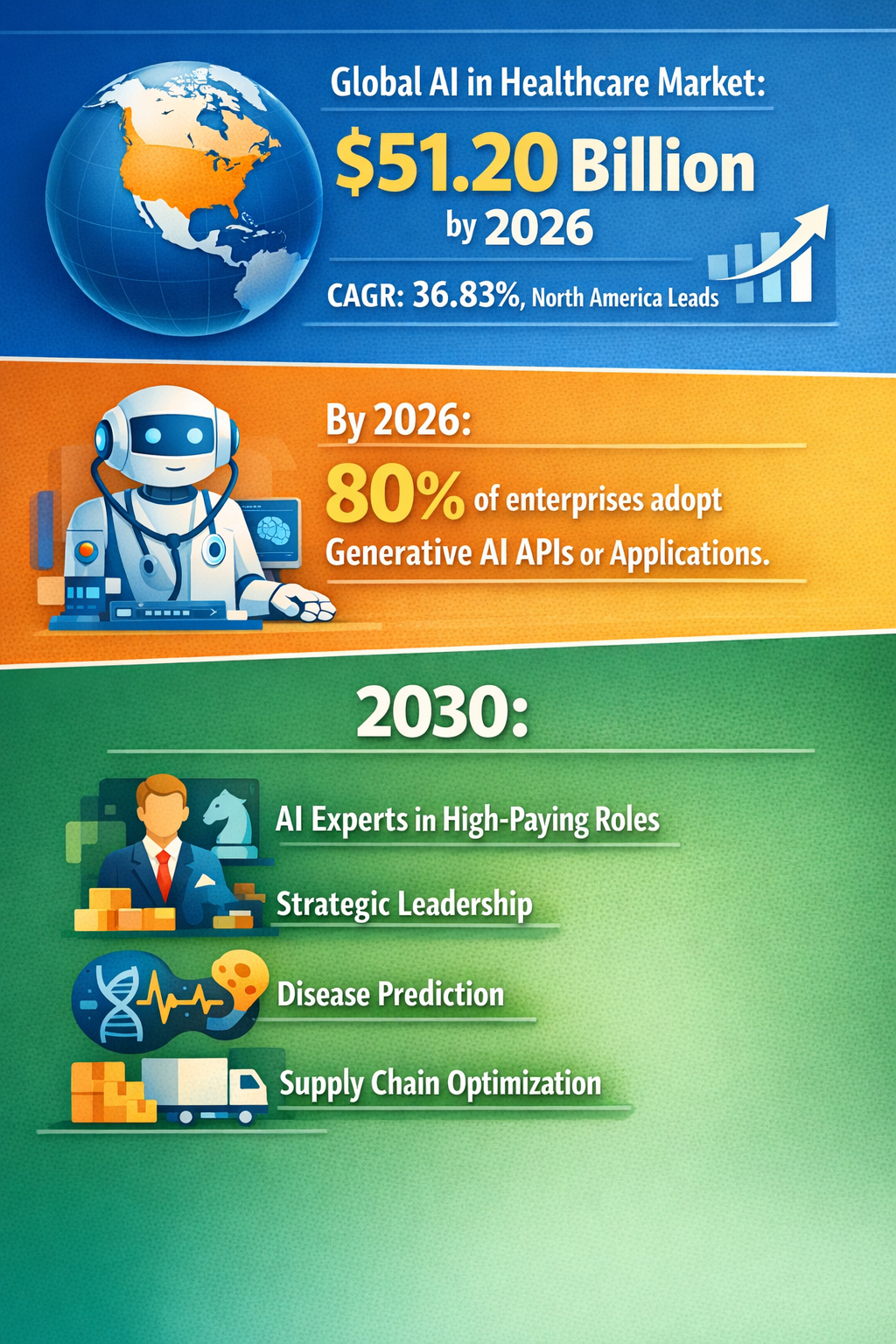
- Widespread integration of AI in healthcare, from diagnostics to drug manufacturing, is enhancing outcomes and operational efficiency but raising concerns over accuracy and overreliance (Bean et al, 2026, Forrester, 2026).
- AI-driven early detection methods, such as machine learning analysis of blood proteins predicting diseases like lung cancer, are advancing precision medicine (Positive News, 2026).
- Healthcare systems are leveraging AI to save clinician time and expand capacity but face challenges due to fragmented infrastructure and insufficient training (Philips, 2026).
- Biosecurity risks are escalating in parallel with AI-enabled innovation, demanding heightened vigilance and new safeguards (Imperial College, 2026).
- Pharmaceutical supply chains are increasingly adopting AI, digital twins, IoT, and traceability systems to enhance resilience amid growing global disruptions (Pharmaceutical Commerce, 2026).
- Generative AI broad adoption by enterprises expands attack surfaces, with cyber threats leveraging AI becoming more sophisticated and targeted, posing larger systemic risks (TechJack Solutions, 2026, Advanced Manufacturing, 2026).
Key Challenges, Opportunities, and Potential Risks
- Challenge: Managing the risks of inaccurate AI-driven medical guidance while harnessing AI for improved patient outcomes.
- Opportunity: Leveraging AI innovations for predictive diagnostics, personalized medicine, and supply chain optimization to gain competitive advantage.
- Risk: Increased cyber vulnerability due to AI-powered attacks targeting healthcare and life sciences infrastructure.
- Challenge: Addressing workforce skills gaps and infrastructure fragmentation to fully realize AI’s potential in healthcare delivery.
- Opportunity: Strategic partnerships with AI experts as future high-value leaders and influencers in health-related sectors.
Scenario Development
- Best-Case Scenario: Robust AI integration across healthcare systems improves patient outcomes and efficiency; cyber defenses effectively counter AI-driven threats; workforce is skilled and infrastructure consolidated; pharma supply chains fully resilient.
- Moderate Scenario: AI adoption grows steadily but unevenly; some missteps in AI guidance create localized risks; cyberattacks increase but are managed; workforce training initiatives lag; pharma supply chain improvements proceed gradually.
- Challenging Scenario: Fragmented healthcare infrastructure and skills shortages limit AI benefits; frequent AI system errors undermine trust; cyberattacks cause significant disruptions; biosecurity threats escalate with inadequate mitigation.
- Worst-Case Scenario: Overreliance on flawed AI leads to widespread health misinformation; catastrophic cyberattacks disable critical health services; biosecurity breaches cause major health crises; pharma supply chains collapse amid global disruptions.
Strategic Questions
- How can Atradius proactively assess and mitigate AI-related risks within healthcare client portfolios?
- What strategies could be implemented to support infrastructure modernization and workforce training in AI-driven healthcare systems?
- How might Atradius leverage partnerships with AI experts to enhance predictive risk modeling and decision-making?
- What contingencies can be developed to minimize the impact of AI-enabled cyber threats and biosecurity risks?
- How can Atradius capitalize on emerging AI innovations in pharmaceutical supply chains to improve client resilience and profitability?
Potential Actionable Insights
- Atradius could incorporate scenario planning exercises focused on AI-driven health risks to enhance strategic foresight.
- Investing in collaborations with AI specialists could strengthen Atradius’s capacity to evaluate emerging technologies and cybersecurity threats.
- Developing frameworks to monitor AI integration in healthcare client risk profiles could improve early warning systems for potential disruptions.
- Enhancing training programs around AI literacy for staff and clients could support better adaptation to evolving health technologies.
- Expanding coverage and consulting offerings related to biosecurity and AI-related cyber threats could open new market opportunities.
Briefing Created: 16/06/2026