Our Scans
·
Human habitat
·
Intelligence Briefing
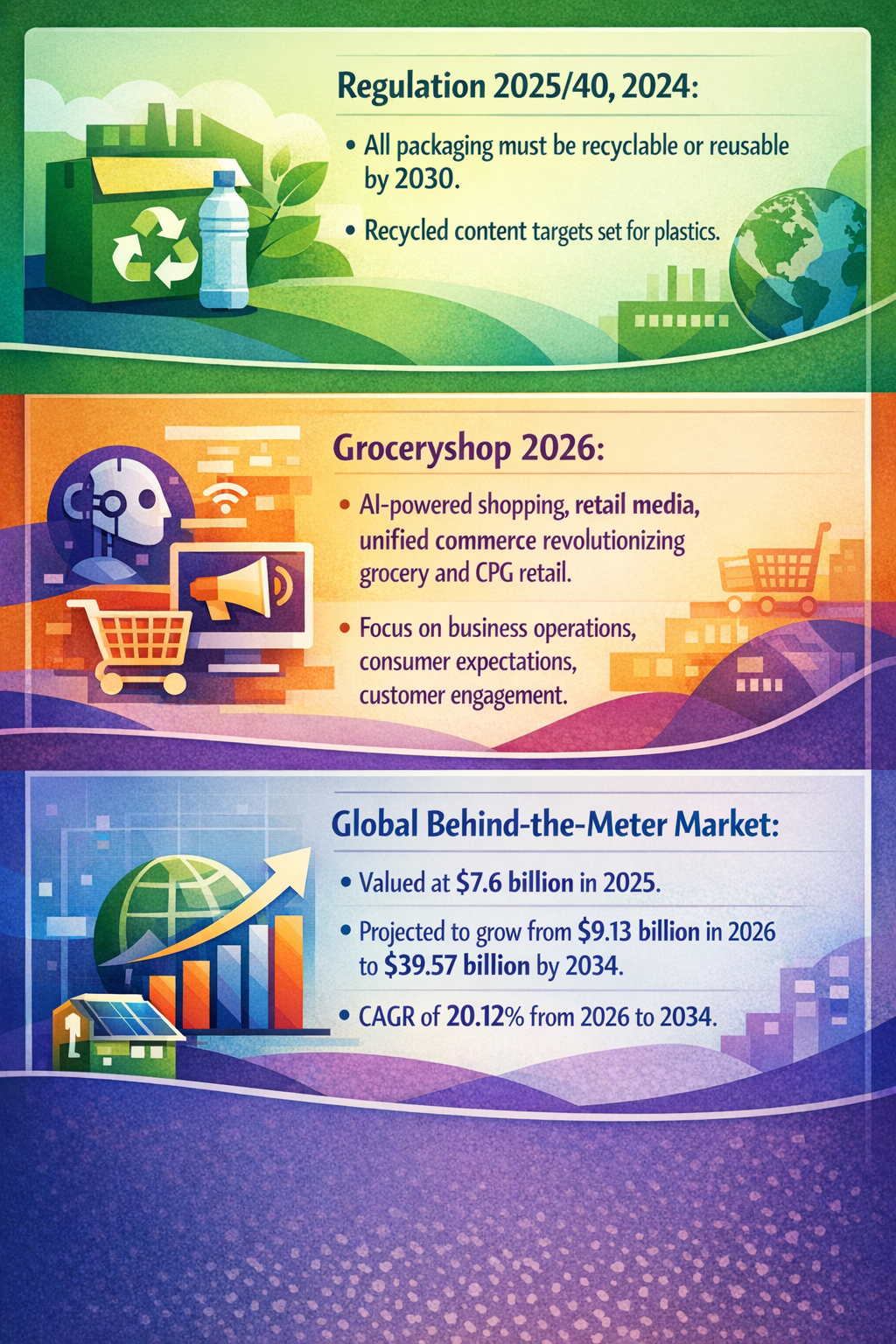
Intelligence Briefing about Human Habitat
Critical Trends Impacting Resilience Frontiers
- Climate change-induced disasters, including rapid glacier melt and flooding, are increasing human vulnerability and infrastructure risk globally (Greenpeace).
- Urban migration toward affordable, high-quality life centers such as Dubai is shaping demographic and infrastructure demands in emerging global hubs (April International).
- Accelerated shifts toward circular economies, driven by national policies and regulatory mandates, are targeting sustainable consumption and plastic waste management by 2030 (Scientific Advice, GRC).
- Technological integration, especially AI in commerce and retail sectors, is transforming supply chains, consumer engagement, and operational resilience (Coresight Research).
Key Challenges, Opportunities, and Risks
- Challenges: Managing increased disaster risk and infrastructure stress; ensuring equitable access to resilient urban centers; aligning circular economy policies with global supply chains.
- Opportunities: Leveraging AI to optimize resource use and consumer behavior; advancing international collaboration on sustainable human habitats; fostering economic growth through resilient urban development.
- Risks: Potential displacement and loss of life due to climate disasters; regulatory and market gaps slowing sustainability transitions; technological disparities exacerbating social inequalities.
Scenario Development
- Best-case: Effective global collaboration leads to robust climate adaptation infrastructure, widespread adoption of circular economy principles, and AI-driven systems enhance urban resilience and quality of life.
- Moderate progress: Incremental improvements in sustainability and technology integration occur, but uneven implementation results in persistent vulnerabilities in at-risk regions and socio-economic disparities.
- Climate crisis escalation: Rapid environmental degradation overwhelms adaptation capacity, causing extensive human displacement and economic disruption despite technological advances and policy efforts.
- Worst-case: Fragmented governance and insufficient action result in catastrophic infrastructure failures, widespread humanitarian crises, and systemic collapse of urban ecosystems.
Strategic Questions
- How can Resilience Frontiers drive cross-sector collaboration to accelerate implementation of circular economy frameworks globally?
- What strategies could be employed to ensure equitable access to resilient urban habitats amid increasing climate-related migration?
- In what ways might emerging AI technologies be leveraged to enhance disaster prediction, response, and urban resource management?
- How should policy frameworks evolve to mitigate risks associated with rapid climate change while fostering innovation and economic resilience?
Actionable Insights for Strategic Decision-Making
- Exploring partnerships that blend technological innovation with climate adaptation could enhance system-wide resilience.
- Investing in data-driven models may enable proactive management of migration patterns and infrastructure demands.
- Advocating for harmonized international standards on sustainable materials and circular economy practices could reduce regulatory uncertainty.
- Fostering inclusive policy development may help address inequalities exacerbated by climate and technological disruptions.
Briefing Created: 20/09/2026