Our Scans
·
Autonomous systems
·
Intelligence Briefing
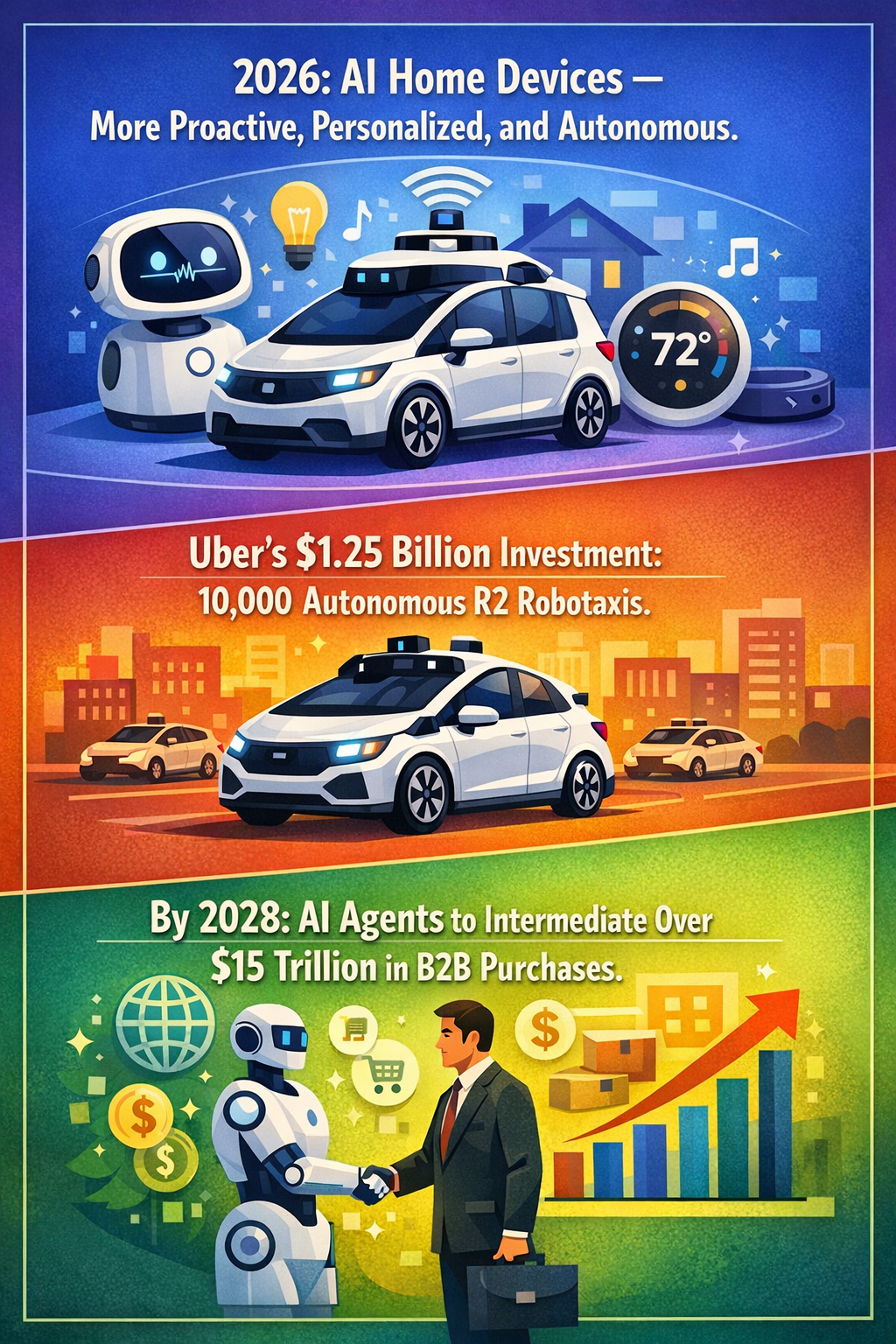
Intelligence Briefing about Autonomous Systems
Critical Trends Impacting Resilience Frontiers
- AI-driven Digital Transformation: The global economy is undergoing a structural shift with AI and digital architectures driving productivity across sectors, including autonomous vehicles, healthcare, and decentralized energy (Nasser Saidi).
- Rapid Growth in Autonomous Software: Software for AI simulation platforms, robot operating systems, and real-time inference tools is growing at a 37% CAGR, reflecting increasing demand in autonomous systems (Persistence Market Research).
- Agentic AI in Commerce: AI agents are projected to mediate over $15 trillion in B2B commerce by 2028, autonomously managing supplier relations, contracts, and orders (Growthcentr).
- Scale Investments: Significant capital commitments, such as Uber’s $1.25 billion investment in autonomous robotaxis, indicate strong commercial momentum (The Truth About Cars).
- Regulatory and Security Challenges: Emerging regulations including the EU AI Act and sanctions enforcement risk halting autonomous financial agents abruptly (Canonical Labs).
- Technological Convergence: Advances in quantum computing, nanotech, advanced materials, and edge computing are accelerating capabilities in autonomous drones and robots (Forbes).
Key Challenges, Opportunities, and Risks
- Challenges: Navigating complex regulatory landscapes and cybersecurity threats; ensuring interoperability and ethical AI deployment.
- Opportunities: Harnessing agentic AI for supply chain efficiencies, capitalizing on software growth, disrupting transport and logistics sectors.
- Risks: Potential regulatory clampdowns on autonomous financial agents; accelerated arms race in autonomous weaponized drones; market volatility from rapid technological shifts.
Scenario Development
- Best-Case: Harmonized global regulations foster innovation; autonomous systems integration drives sustainable economic growth; AI agents enable seamless, trusted commerce.
- Moderate Growth: Fragmented regulations slow deployment; commercial adoption progresses unevenly; cybersecurity threats increase but are managed effectively.
- Disruption and Containment: Regulatory crackdowns cause setbacks for financial autonomous agents; public backlash slows consumer adoption of autonomous devices; technological gaps emerge between regions.
- Worst-Case: Regulatory bans and sanctions halt key autonomous AI operations; autonomous drones and systems are weaponized; systemic failures disrupt critical infrastructure and markets.
Strategic Questions
- How can Resilience Frontiers anticipate and influence evolving AI regulatory environments to safeguard innovation while managing risk?
- What frameworks could be developed to ensure ethical and secure deployment of autonomous systems across sectors?
- How might the organization leverage agentic AI in B2B commerce to create competitive advantages?
- In what ways could technological convergence accelerate resilience or vulnerability within autonomous systems?
- What contingency approaches could mitigate risks associated with rapid autonomous system failures or regulatory halts?
Actionable Insights and Considerations
- Investing in regulatory intelligence and scenario planning could enable proactive adaptation to policy shifts impacting autonomous systems.
- Developing partnerships with technology and cybersecurity experts could strengthen resilience against emerging threats.
- Exploring pilot deployments of autonomous agents in controlled environments could identify practical challenges and build stakeholder trust.
- Monitoring cross-sector technology convergence may reveal early signals for strategic innovation or risk mitigation needs.
Briefing Created: 06/09/2026