Our Scans
·
AI
·
Intelligence Briefing
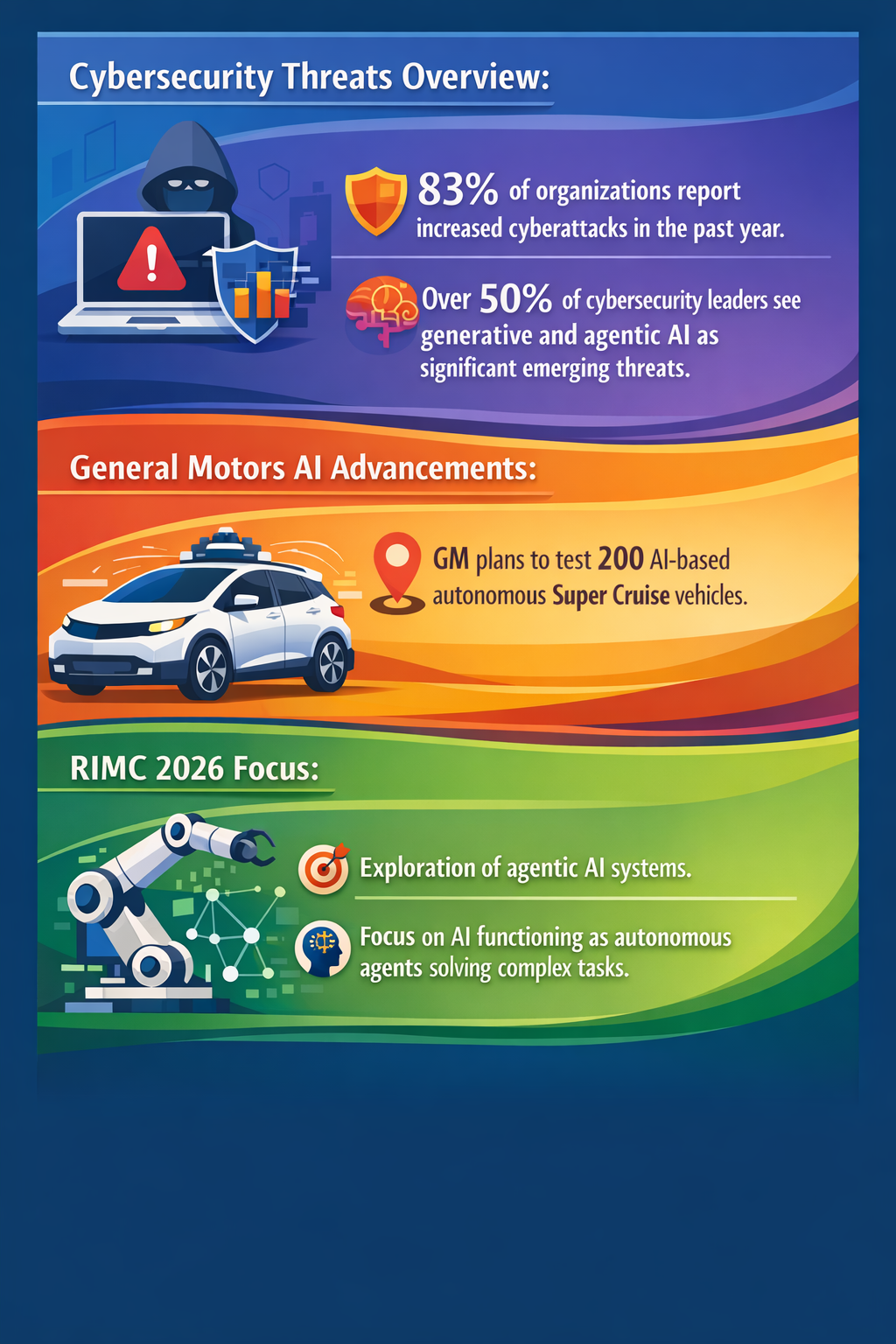
Intelligence Briefing about AI
Emerging Trends Impacting Resilience Frontiers
- Exponential Growth in AI Hardware Market: Annual revenue from chips deployed in AI data centers is projected to exceed $1.2 trillion by 2028, signaling rapid investment and capacity expansion in AI infrastructure (Origin-IC).
- Rise of Decentralized AI Services and Tokenomics: Accelerated AI adoption by 2026 could trigger a surge in demand for decentralized AI services supported by new token-based economic models (BMIC).
- Agentic AI Systems Emerging: Industry focus is shifting toward AI agents capable of autonomous decision-making rather than passive response systems, enabling solutions to complex tasks (eNewsWire).
- Ethical and Workforce Concerns: Calls for reserving certain human jobs highlight fears about AI-induced displacement and the lack of governmental preparedness to address socio-economic impacts (The Guardian).
- AI Accelerating Scientific and Healthcare Advances: AI is expected to narrow global health disparities, enhance personalized learning, and empower researchers with AI lab assistants, thus advancing knowledge discovery (Tashios).
- Progress in Autonomous Technologies: Major corporations like General Motors are testing large-scale deployments of AI-driven semi-autonomous vehicles, signaling maturation in practical AI applications (The Truth About Cars).
Key Challenges, Opportunities, and Risks
- Challenges: Managing workforce displacement, ensuring responsible autonomous decision-making, regulatory gaps, and cybersecurity vulnerabilities among decentralized AI systems.
- Opportunities: Leveraging AI for health equity, scientific breakthroughs, and novel economic models via tokenomics; advancing resilient infrastructure through autonomous agents.
- Risks: Potential for uncontrolled autonomous AI actions, exacerbating inequalities if access remains uneven, market volatility linked to AI token economies, and public mistrust fueled by ethical concerns.
Scenario Development
- Best-Case Scenario: Robust regulations and ethical frameworks enable widespread, equitable AI adoption; decentralized tokenomics flourish responsibly; agentic AI enhances health, science, and infrastructure resilience globally.
- Optimistic Scenario: AI-driven productivity gains are realized though workforce transition challenges persist; semi-autonomous systems operate safely; decentralized AI services grow with moderate volatility.
- Pessimistic Scenario: Regulatory lag and ethical failures lead to significant job displacement; autonomous AI causes unintended disruptions; decentralized token markets suffer from misuse and instability.
- Worst-Case Scenario: Autonomous AI systems operate with minimal oversight causing systemic risks; societal divides deepen due to unequal AI access; tokenomics collapse amid fraud and loss of confidence.
Strategic Questions for Senior Advisors
- How can governance frameworks evolve to balance AI innovation with ethical and socio-economic protections?
- What strategies could ensure workforce resilience amid accelerating automation and AI agent adoption?
- In what ways might decentralized AI tokenomics disrupt existing markets, and how can risks be mitigated?
- How can Resilience Frontiers leverage AI-driven scientific advancements to enhance global health and learning equity?
- What safeguards could be implemented to control and monitor agentic AI decision-making in critical sectors?
Actionable Insights and Considerations
- Investment in agile regulatory frameworks could enable balanced oversight aligned with rapid AI innovation.
- Encouraging cross-sector collaboration could foster inclusive workforce transition programs and skill development.
- Monitoring emerging decentralized AI token markets could provide early warning signals of systemic risks or abuses.
- Prioritizing partnerships with research and healthcare sectors could accelerate leveraging AI for social good.
- Developing protocols for transparency and accountability in agentic AI deployment could mitigate operational risks.
Briefing Created: 13/09/2026