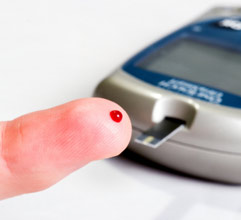
[New] Approximately 537 million adults were living with diabetes in 2021, a figure expected to rise to 643 million by 2030, creating a massive and sustained demand for effective treatments.
Market Data Forecast
[New] Up to 400 milligrams of caffeine a day, roughly three to five cups of regular black coffee, is generally safe and may even be linked to lower risks of heart disease, stroke, heart failure, and Type 2 diabetes.
ScienceDaily
[New] Structured lifestyle changes-moderate weight loss, regular physical activity, and dietary improvements-can significantly reduce the risk of developing type 2 diabetes in people with prediabetes.
Local Health Alert
[New] A large study published in The BMJ found that eating three servings of French fries per week was associated with a 20% higher risk of developing type 2 diabetes.
ScienceDaily
[New] Another $653 million in federal funding will expand public coverage to include free medications for diabetes and enhanced coverage for menopausal hormone therapy.
BC Gov News
[New] Obesity and diabetes, which are estimated to affect roughly 13 and 9% of adults worldwide, respectively, are preventable chronic diseases for which poor nutrition quality is a significant risk factor.
Frontiers
The new Dexcom Stelo Glucose Biosensor System, which will be available by summer, is intended for people 18 years and older who have type 2 diabetes but do not take insulin.
www.PhysiciansWeekly.com
A range of major therapeutic areas - including diabetes, cardiovascular disease, immunology, oncology, and pain management - will see widely prescribed drugs lose patent protection in 2026.
Drug Discovery News Magazine
FDA approves Ozempic for a new indication: reducing the risk of worsening kidney disease and cardiovascular death in adults with type 2 diabetes and chronic kidney disease.
GoalBMI Wellness
FDA approves Rybelsus, the first oral semaglutide tablet for type 2 diabetes management - proving that the GLP-1 mechanism could be effective in pill form and setting up the later oral Wegovy development.
GoalBMI Wellness
Red blood cells at high elevations absorb large amounts of glucose, explaining the lower diabetes risk in mountain-dwelling populations.
Yahoo News
The Trump administration has proposed steep cuts of $5.78 billion to the National Institutes of Health for 2027, which could make it difficult for researchers and scientists to get funding, start new projects, and conduct long-term research to advance the field of diabetes care.
diaTribe
Approximately 589 million adults (20-79 years) were living with diabetes in 2024, with the figure projected to reach 853 million by 2050.
MarkNtel Advisors
Enrollees are not eligible if they already receive GLP-1 medications through their Medicare Part D drug plan or have type 2 diabetes, moderate to severe sleep apnea or fatty liver disease (which might make them eligible for coverage through Part D).
KCRA
The inclusion of people with prediabetes represents an effort to prevent diabetes in the Medicare population, which will ultimately reduce healthcare costs nationally.
CNBC
People who ate high amounts of animal protein - and, as a result, also consumed a high amount of methionine and other essential amino acids - were more likely to be obese and had double the risk of type 2 diabetes than individuals who ate little to no animal protein.
Refractor
Researchers are taking a closer look at how different types of dietary fat may influence the risk of type 2 diabetes, a disease that affects millions of people worldwide and is linked to serious health complications and premature death.
ScienceDaily
By managing weight, people can lower their risk of developing diabetes, heart disease, liver disease and cancer.
Wbur
More than 640 million adults are projected to live with diabetes globally by 2030, increasing the need for routine wound-care solutions.
Persistence Market Research
Under the GLP-1 Bridge Program, Medicare will cover Wegovy specifically for weight loss - not just for diabetes management.
Pound of Cure Weight Loss
In the PAD Awareness, Risk, and Treatment: New Resources for Survival (PARTNERS) program, 30% of people aged 50-69 years with a history of cigarette smoking or diabetes, or aged > = 70 years regardless of risk factors, had PAD (223).
PubMed Central (PMC)
Last updated: 16 August 2026
Hi,
Would you like a quick online demo of our service from an experienced member of our team?